Slide 1 of 4
The step from consumer to author
Everything so far has been about working what arrives. This is where you decide what arrives, for a whole motion, for everyone it routes to.
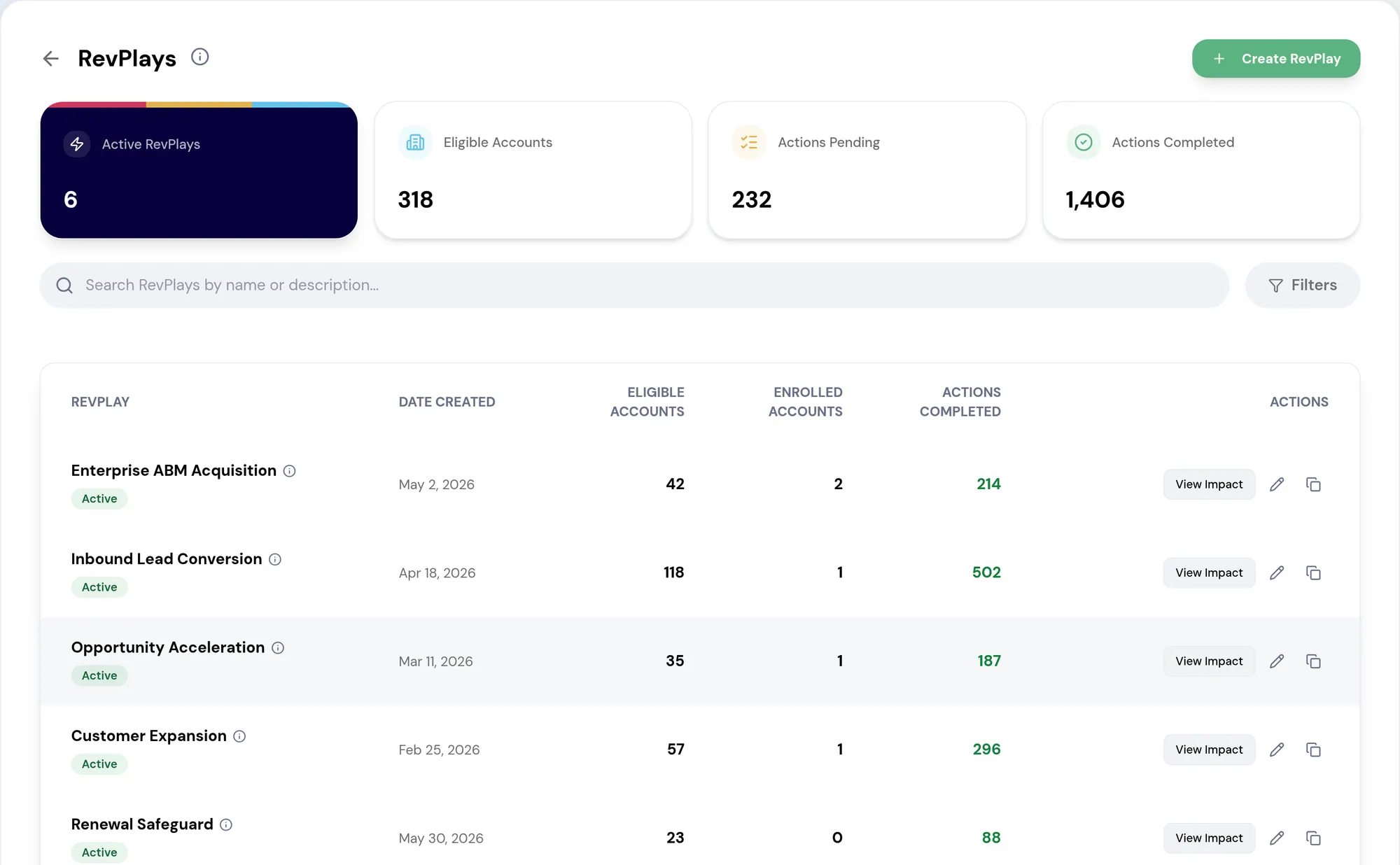
Cross from working prepared work to defining it, by building and activating a real play end to end.
Building a play is authoring work: you are deciding what arrives in other people's queues, in what order, with what instructions. Doing that without having worked a queue yourself produces plays that look reasonable in the builder and are unworkable in practice, steps that assume context they never provide, instructions written for someone with unlimited time.
Having spent a week on the receiving end, you have the thing that is hard to get any other way: a concrete sense of what a good action looks like when it lands, and of the specific ways instructions fail. That is exactly the knowledge the builder asks for.
The course runs twelve lessons across four modules, following the builder's own order: choose a motion worth encoding, lay out the timeline, define eligibility, then review and activate. Work them in sequence, the modules build, and the eligibility work depends on decisions made in the timeline.
Pick a small, well-understood motion for the first play. The measure of success is a completed loop (built, activated, and read two weeks later) rather than the importance of the motion you chose. A modest play carried all the way through teaches you more than an ambitious one abandoned at the review step.
Now take the course
This lesson is the orientation. The material itself lives on its own page, kept in one place so it stays current everywhere it is referenced.
You should be able to answer each of these from memory before opening it. Recalling the answer is what makes it stick; recognizing it when you read it does not.
Because you are deciding what lands in other people's queues. Having been on the receiving end gives you a concrete sense of what a good action looks like and how instructions fail, which is exactly what the builder asks for.
A completed loop: built, activated, and read two weeks later. A modest play carried all the way through teaches more than an ambitious one abandoned at the review step.
Everything so far has been about working what arrives. This is where you decide what arrives, for a whole motion, for everyone it routes to.
The goal of the first play is a completed loop, not coverage. Narrow eligibility, few steps, something you already understand well.
Choose a motion, lay out the timeline, define eligibility, then review and activate. Work through it in order.
See agents carry the repeatable work of GTM across sales, marketing, customer success, and RevOps. Every action prepared, reviewed, and recorded. Fictional data, real product.
Explore the demo